
Season 40
1991-1992
Roster
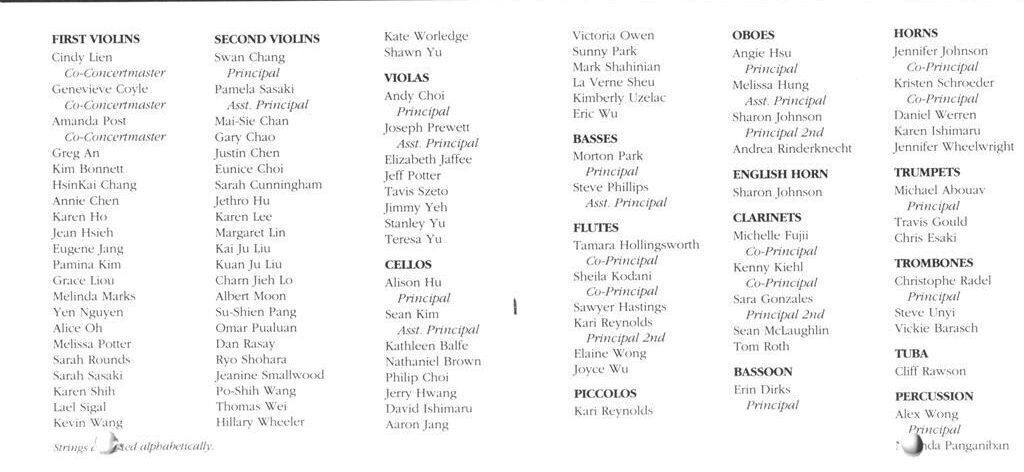
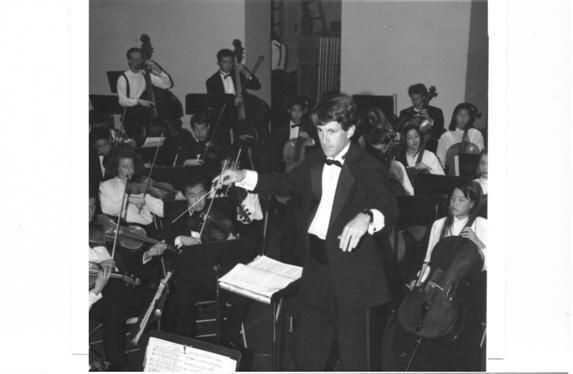
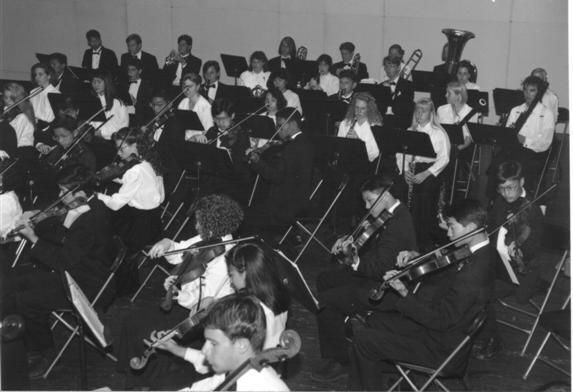
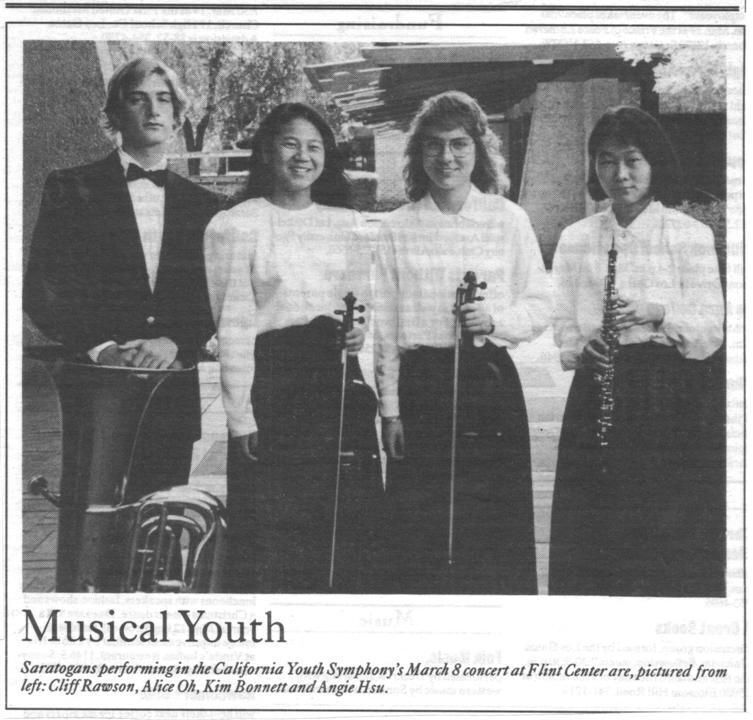
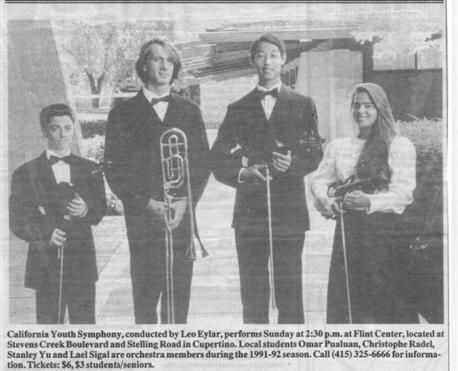
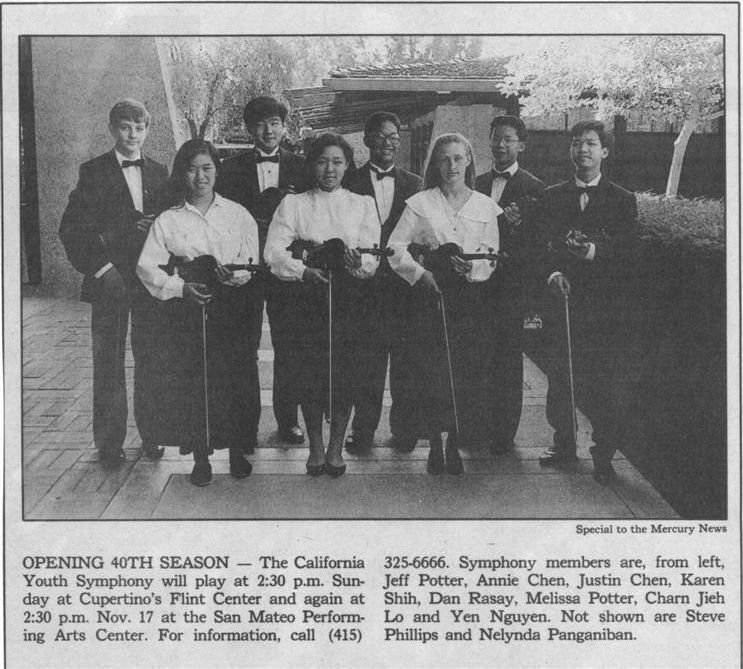
Seniors
A Season of Resilience: Reflections on the 1991-1992 Summer Music Camp
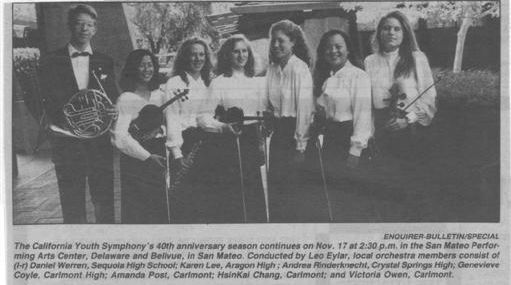
The 1991-1992 season of the California Youth Symphony began not in a concert hall, but deep within the scenic redwoods of Camp Redwood Glen. In late August 1991, approximately 100 young musicians, aged 12 to 17, gathered between Pescadero and La Honda for a seven-day "musical boot camp" that would define the year ahead. As documented by the San Jose Mercury News, the camp was an intensive immersion into the world of orchestral performance. Under the leadership of Conductor Leo Eylar and Camp Director Jay Winograd—himself a CYS alumnus—the students committed to a grueling eight-hour daily practice regimen. From morning sectionals to full orchestra rehearsals that stretched until 9:00 p.m., the dedication was absolute. As 17-year-old French horn player Daniel Werren noted at the time, the faculty pushed the young virtuosos to their absolute limits, fostering a level of concentrated progress that was, in the words of Eylar, "absolutely astonishing."
Despite the physical toll of the rehearsals—where 16-year-old Kristen Schroeder famously quipped that their "teeth and lips were hurting" by the end of the day—the camp offered a rare sanctuary from the pressures of city life and schoolwork. The redwood forest became a natural auditorium; cellists practiced under the shade of ancient trees, and the sounds of brass and woodwinds echoed through the woods in a "cacophony of sounds" that slowly transformed into harmonious, joyful works. This transformation from "discordant notes" into a cohesive symphony was the hallmark of the CYS experience, proving that the hard work of individual practice was the essential foundation for collective artistic excellence.
Beyond the rigorous musical schedule, the 1991 summer camp was a vital period for building the social fabric of the symphony. Between rehearsals, the "redwood boot camp" took on the atmosphere of a traditional summer getaway, featuring campfires, talent shows, and spirited games of Trivial Pursuit. Musicians from across the Bay Area—San Jose, Palo Alto, Cupertino, and beyond—forged lasting bonds over softball games, swimming, and the legendary long lines for camp hamburgers. For many, like drummer Alex Wong, the camp was as much about the "chance to meet everyone" as it was about the music. This blend of discipline and camaraderie set a high standard for the rest of the 1991-1992 season, leaving a legacy of excellence that CYS continues to uphold decades later.
A Season of Resilience: The November 1991 Concert Series
Concert Program Overview
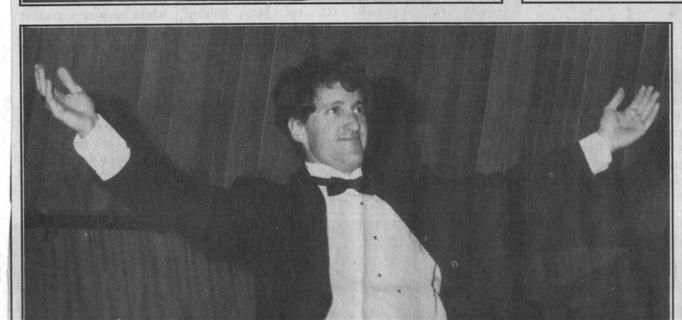
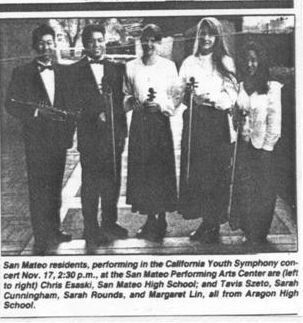
The California Youth Symphony inaugurated its 40th Anniversary Season in November 1991 with a pair of ambitious performances that solidified its reputation as a premier ensemble. Led by Music Director Leo Eylar, the orchestra performed on November 10 at the Flint Center in Cupertino and November 17 at the San Mateo Performing Arts Center. The program was a masterclass in Romantic-era power, opening with the bold, festive energy of Berlioz’s Roman Carnival Overture. The second half featured the monumental Saint-Saëns Symphony No. 3 in C minor (“Organ”), with soloist Rodney Gehrke at the organ. The series was particularly poignant as it occurred shortly after the devastating Oakland Hills fire, which had destroyed Maestro Eylar’s home during the rehearsal period; despite this personal tragedy, the concerts were hailed for their "energy" and "superior quality," serving as a testament to the healing power of music for both the conductor and his young musicians.
Featured Soloist: Lisa Lee (Violin)
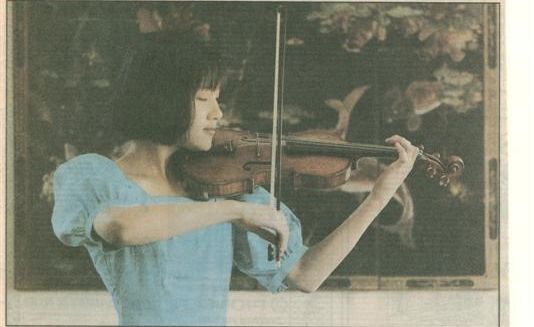
The centerpiece of the program was a virtuosic performance of Tchaikovsky’s Violin Concerto in D Major, featuring 16-year-old soloist Lisa Lee. A resident of Fremont and a student at Mission San Jose High School, Lee was already a decorated musician, having won the 1991 CYS Young Artist Competition and the Seventeen Magazine/General Motors National Concerto Competition. Just one week prior to the CYS concerts, Lee had been competing internationally in Germany, arriving back in the U.S. with only one rehearsal to prepare for the Tchaikovsky—a work famously once labeled "unplayable." Her performance was a triumph of maturity over technique; while she possessed the "prodigious technique" required for the work’s difficult cadenzas and high-register double stops, critics were most moved by her "sweet lyricism" and her stated philosophy that making "good music" was far more important than the pressures of competition.
In the Media
The November concerts received glowing reviews from the Peninsula Times Tribune, The Times, and the San Jose Mercury News. Critics noted that the ensemble’s performance rivaled, and in some cases surpassed, the quality of adult community orchestras in the Bay Area. The Times Tribune praised the "flamboyant, breezy conducting style" of Leo Eylar and the "rich, lush tine" displayed by Lee in the concerto’s melodic passages. Reporters highlighted the "clear, bold" standard set by the horn section and the "formidable" resonance of the Saint-Saëns finale. Beyond the technical critiques, the media coverage captured a sense of community pride, noting that with a near-capacity turnout of 1,450 at the Flint Center alone, the 40th anniversary season was off to an "auspicious start," leaving the Peninsula’s cultural landscape "all the richer for it."
Artistic Mastery and Contrast: The March 1992 Concert Series
Concert Program Overview
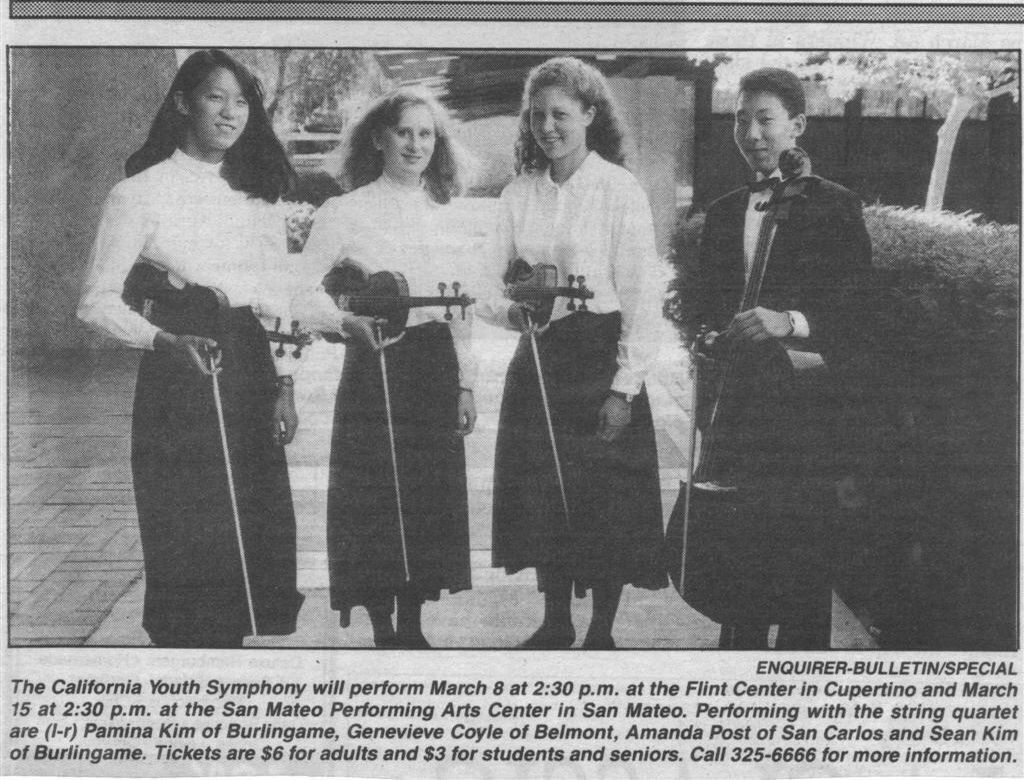
The California Youth Symphony continued its landmark 40th Anniversary Season in March 1992 with a pair of performances that demonstrated the ensemble's remarkable range and technical maturity. Under the baton of Music Director Leo Eylar, the orchestra returned to the Flint Center on March 8 and the San Mateo Performing Arts Center on March 15. The program was a sophisticated study in musical contrasts, anchored by the profound emotional depths of Richard Strauss’s Death and Transfiguration, op. 24. The Peninsula Times Tribune lauded the young musicians for their "brilliant" interpretation of the Strauss masterwork, noting their ability to navigate the narrative from its "serene and somber" opening to the "exuberant flight" of the finale. The concert concluded with a spirited rendition of Beethoven’s Symphony No. 8 in F Major, where the orchestra was praised for its "skill and confidence" in responding to the composer's "engagingly spritely" and "intriguing" shifts in mood.
Featured Soloist: Dina Glendening (Piano)
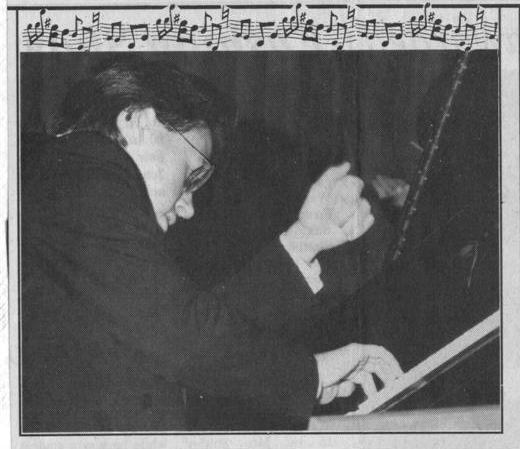
The featured soloist for the series was the "gifted" pianist Dina Glendening, a winner of the 1991 CYS Young Artist Competition. Glendening took center stage for a commanding performance of Saint-Saëns’ Piano Concerto No. 2 in G Minor, op. 22. Her interpretation was noted for a "perceptive familiarity" with the score, balancing the work’s virtuosic demands with a deep musicality. Critics highlighted her "dexterity and control" throughout the performance, particularly her ability to maintain momentum despite the work’s "difficult challenges of contrasts in dynamics." Her presence at the keyboard served as a catalyst for the entire ensemble, motivating an "appropriate intensity" from the orchestra that resulted in a powerful and cohesive progression of movements.
In the Media
The March concerts were celebrated as a "solid and delightful" success. The Times Tribune review, titled "Gifted pianist leads youth symphony," emphasized the disciplined nature of the young talent, observing how the different sections of the orchestra responded to one another "in waves" during the Beethoven symphony. The critics specifically pointed out the orchestra’s "magnificent" expression of spirit in the mix of wind, percussion, and string instruments, which felt "aptly heavy and pompous at times, and ethereal in some segments." This second concert series of the season further cemented the reputation of the CYS in its 40th year, proving that the ensemble was capable of tackling the most demanding staples of the professional repertoire with both grace and fire.
A Virtuosi Farewell: The 40th Anniversary Grand Finale (May 1992 Concert)
Concert Program Overview
The May 1992 concert series served as a grand finale to the California Youth Symphony’s milestone 40th anniversary season, with performances held on May 17 at the Flint Center in Cupertino and May 24 at the San Mateo Performing Arts Center. Under the energetic leadership of Music Director Leo Eylar, the orchestra presented a program that balanced the technical brilliance of the late Romantic period with the rhythmic complexities of 20th-century masterpieces. The concert opened with the "Allegro non troppo" from Edouard Lalo’s Symphonie Espagnole, followed by a dramatic suite of excerpts from Sergey Prokofiev’s Romeo and Juliet, including the iconic "Montagues and Capulets" and the intense "Tybalt’s Death." Following the intermission, the program featured Darius Milhaud’s Concerto for Percussion and Small Orchestra before concluding with the vibrant, jazz-infused energy of George Gershwin’s An American in Paris. This diverse selection of works not only celebrated four decades of musical excellence but also prepared the ensemble for its upcoming summer concert tour to Australia.
Featured Soloists: Amanda Post (Violin) ; Alex Wong (Percussion)
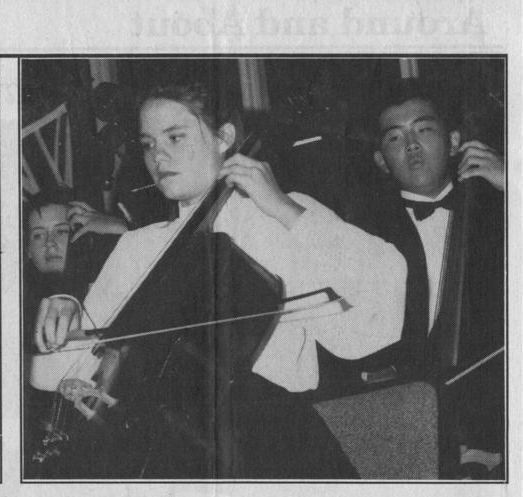
The series highlighted two of the orchestra’s most outstanding senior members as featured soloists. Violinist Amanda Post, a senior at Carlmont High School who began her studies at the age of three, performed the Lalo concerto excerpt with a maturity developed through years of dedication. A veteran of the CYS program, Amanda transitioned from the Junior CYS to the senior orchestra in eighth grade and had already represented the symphony on international tours to Germany, Austria, England, and France. Beyond her musical achievements, she was an active member of her school’s badminton team and the California Scholarship Federation. At the time of the performance, Amanda had been accepted to UC Berkeley, though she maintained aspirations for UCLA, marking the conclusion of a stellar youth symphonic career.
Joining her in the soloist spotlight was 17-year-old percussionist Alex Wong, a senior at Gunn High School in Palo Alto. Alex’s performance of the Milhaud percussion concerto showcased the incredible versatility he had cultivated since starting his musical journey at age seven, ranging from snare drum and timpani to full drum kit. Having served as the principal percussionist during the orchestra’s 1989 tour to England and France, Alex was a pillar of the ensemble who also participated in numerous local honor bands and jazz ensembles. With interests ranging from snowboarding to video games, he looked forward to attending either UCLA or Cal Poly the following year while continuing his musical pursuits. Together, these two soloists exemplified the high caliber of student leadership that defined the first year of the orchestra's fifth decade.
Forty Years of Harmony: A Legacy Continued (1952–1992)
The California Youth Symphony reached a historic milestone during the 1991–1992 season as it celebrated forty years of excellence in musical education and performance. Since its founding on March 3, 1952, by Aaron Sten, the organization had grown from a modest group of twenty-two string players into the first independent youth symphony in the state of California, eventually blossoming into a world-class institution with over one hundred members. The 40th anniversary season served as a vibrant bridge between the orchestra’s storied past and its ambitious future, marking the first full year of leadership under Music Director Leo Eylar. To commemorate this achievement, the symphony looked back on four decades of pioneering tours—including the historic 1963 trip to Japan—and its long-standing reputation for maintaining professional standards that consistently drew praise from local and international critics.
Beyond the formal concert stage, the anniversary was marked by a deep sense of community through the 40th Anniversary Alumni Reunion held on August 1, 1992. Former members from across four decades returned to the Peninsula to perform a special concert at Stanford University’s Dinkelspiel Auditorium under the baton of Leo Eylar. This event was a powerful testament to the enduring impact of the organization, as musicians who had played under both Aaron Sten and Dr. Lauren Jakey reunited to perform works by Debussy and Dvořák. The reunion and the 40th-anniversary archival reflections emphasized that while the conductors and students had changed over the years, the core mission remained the same: to provide young musicians with a "well-oiled machine" of an orchestra that demanded integrity, commitment, and a relentless pursuit of musical beauty.
The Sydney Milestone: A 40th Anniversary Celebration in Australia (1992)
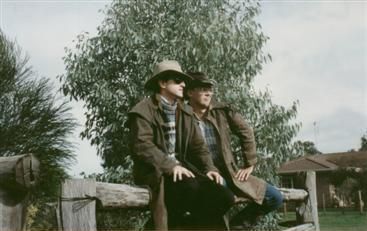
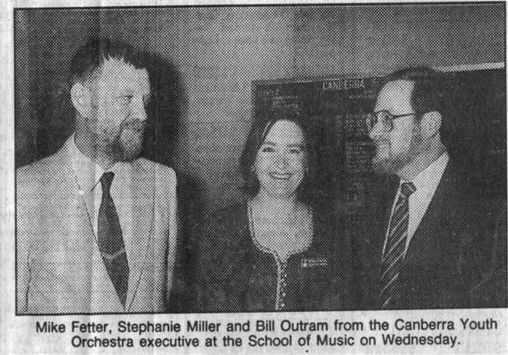
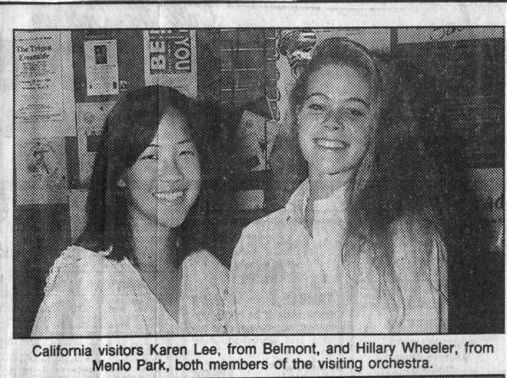
In the summer of 1992, the California Youth Symphony embarked on its ninth international tour, a landmark two-week journey across Australia that served as the grand finale of the orchestra's 40th anniversary season. This ambitious tour, sponsored in part by the Bank of America, sent 96 young musicians to perform in premier venues across the eastern states of Australia, including Albury, Bairnsdale, Melbourne, Canberra, and Sydney. Beyond the concert stage, the trip emphasized deep cultural immersion; students lived with Australian host families, attended local high schools, and explored natural wonders like the Tidbinbilla Nature Reserve. This "whiz-bang" tour was more than just a musical endeavor; it was a mission of cultural diplomacy that showcased the highest standards of American youth music to international audiences.
The tour’s repertoire was designed to demonstrate the ensemble’s professional-grade versatility, featuring a demanding program of Russian fervor, French romanticism, and American lyricism. Under the dynamic direction of Leo Eylar, the orchestra performed Berlioz’s Roman Carnival Overture, Prokofiev’s Romeo and Juliet, and Gershwin’s An American in Paris. A central highlight was the performance of Rachmaninoff’s Piano Concerto No. 1, featuring 19-year-old piano prodigy and first-prize winner Bill-John Newbrough. Critical reviews from outlets like The Border Mail and the Bairnsdale Advertiser were glowing, with one critic in Albury describing the performance as "magnificent" and another in Bairnsdale noting that the ensemble delighted a capacity crowd of over 800 at Boucher Hall. The orchestra’s ability to navigate such technically taxing works earned them a reputation for "panache and bravura" throughout the continent.
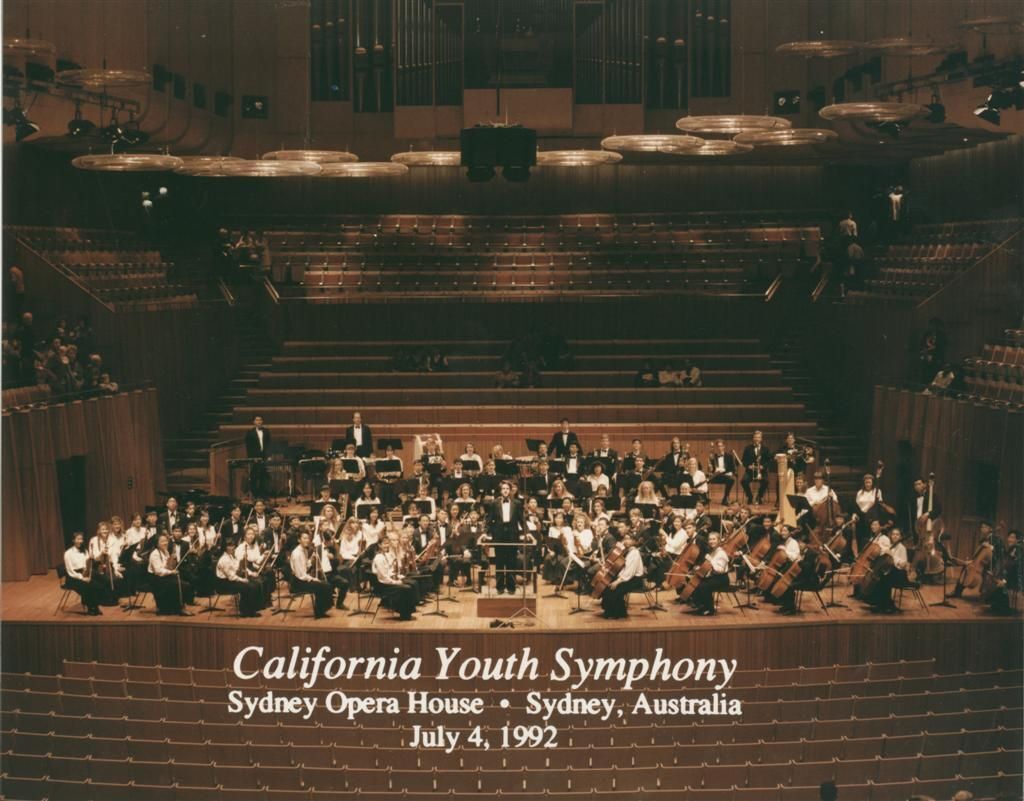
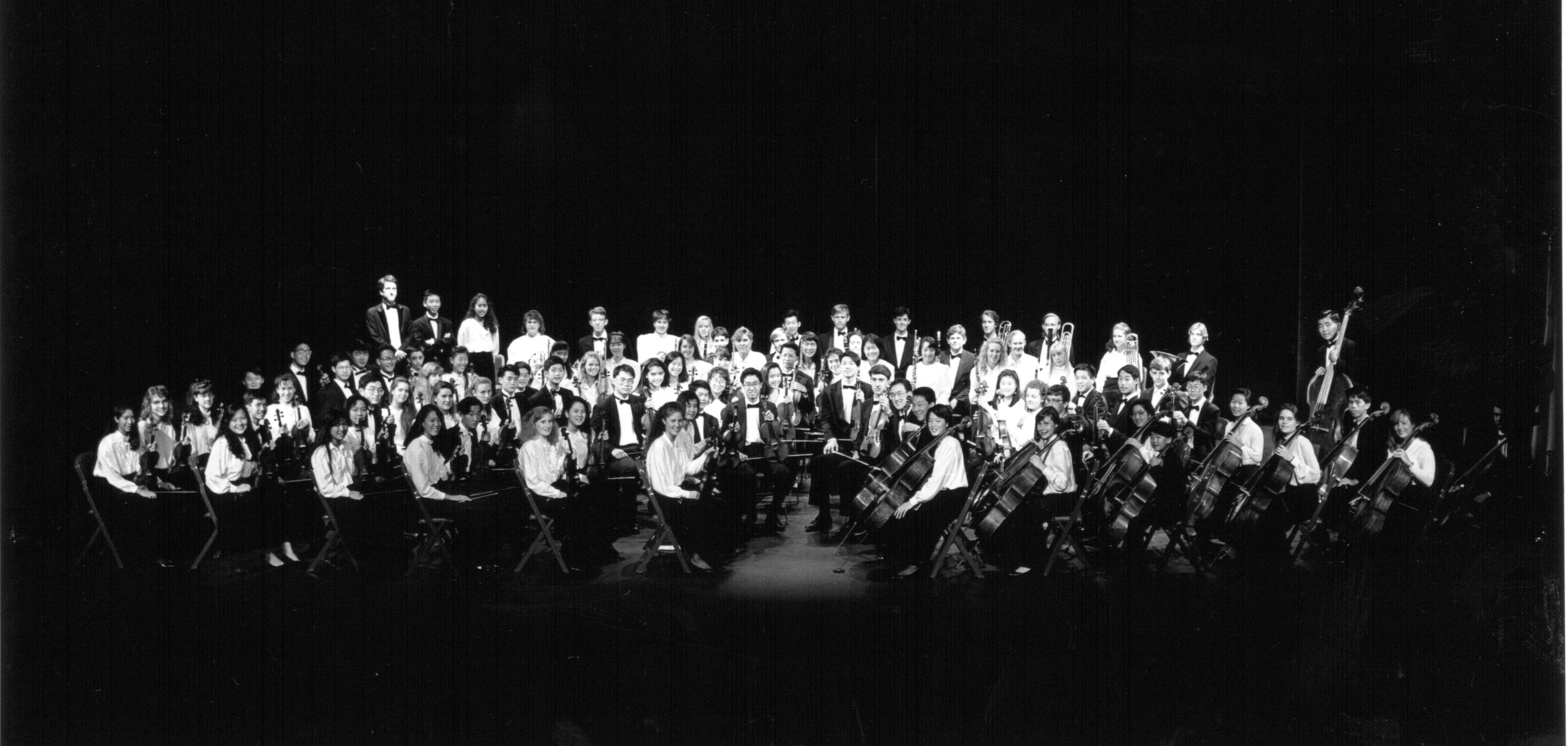
The historic climax of the tour occurred on July 4, 1992, when the California Youth Symphony performed at the world-famous Sydney Opera House. Performing in such an iconic architectural marvel on the American Independence Day was a profoundly moving and symbolic experience for the students, including the youngest members like 10-year-old violinist Mark Seto. The image of the full 96-piece orchestra on the Sydney Opera House stage remains one of the most celebrated visuals in the CYS archives. This performance was the ultimate testament to the legacy established by Aaron Sten and Lauren Jakey, proving that after forty years, the California Youth Symphony had truly arrived as a world-class institution capable of commanding the most prestigious stages on earth.