
Season 46
1997-1998
Roster
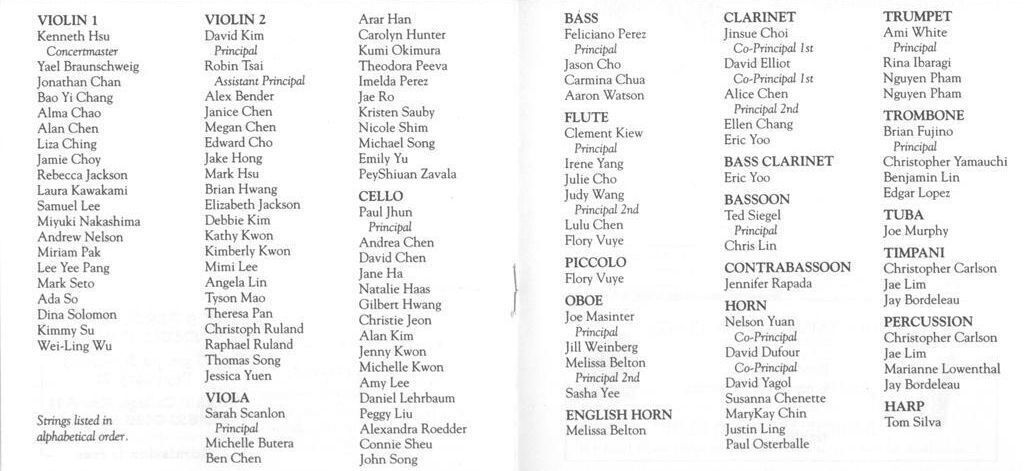
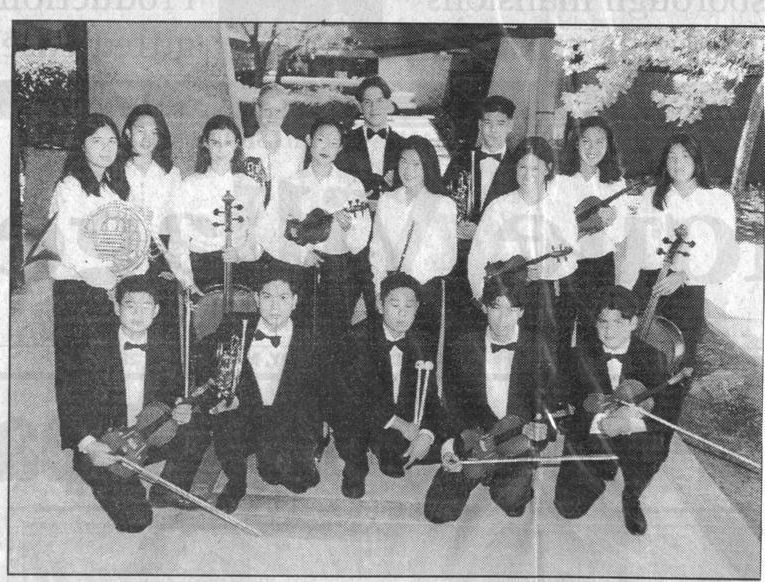
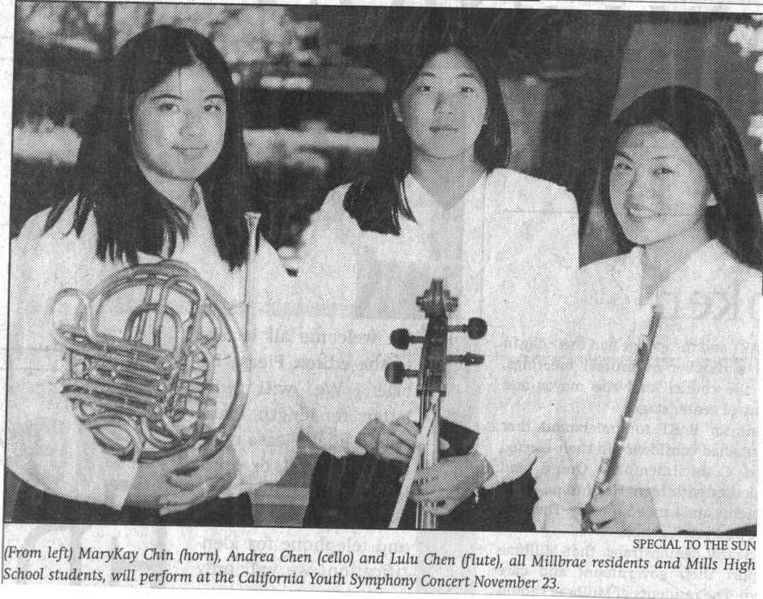
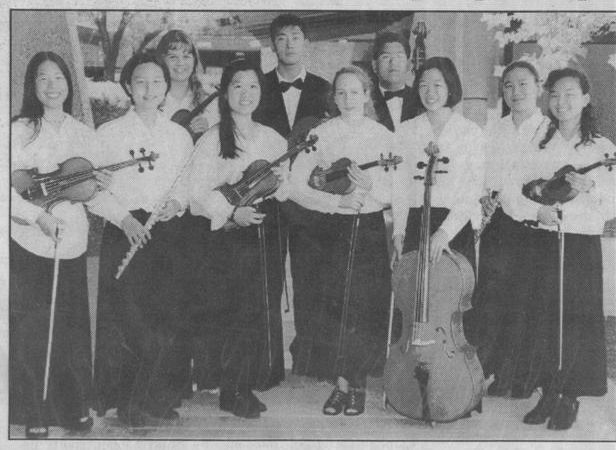
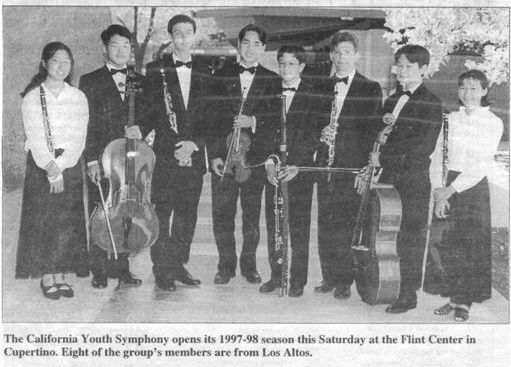
Seniors
Melodies in the Redwoods (Summer Camp 1997)
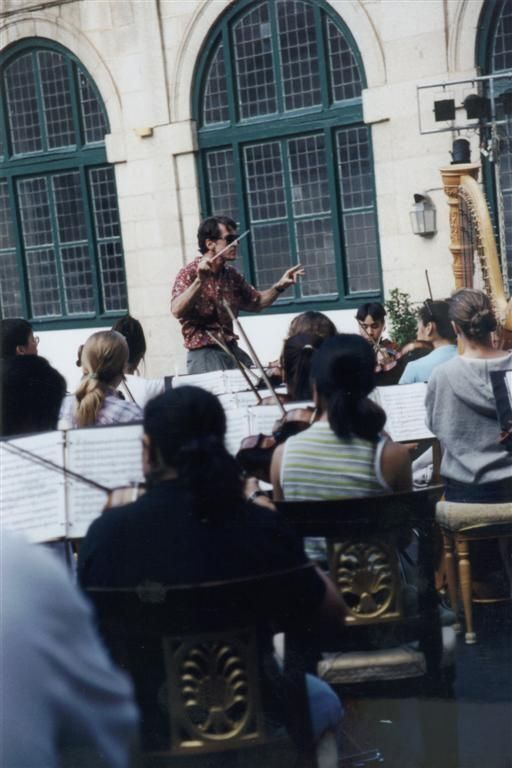
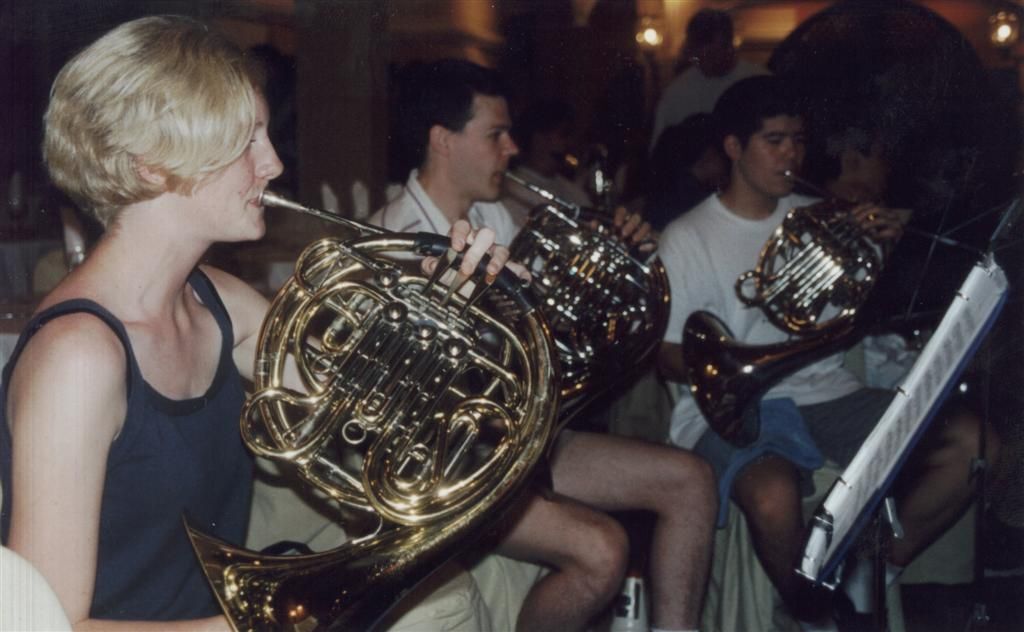
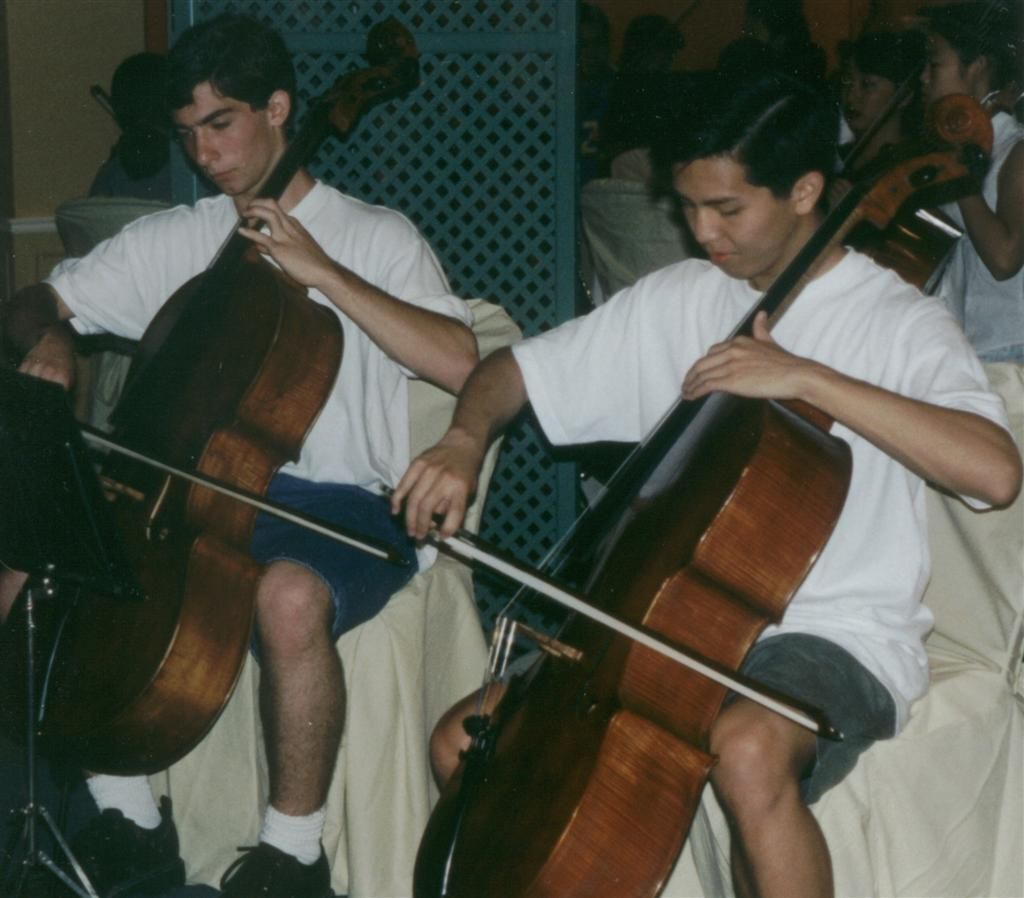
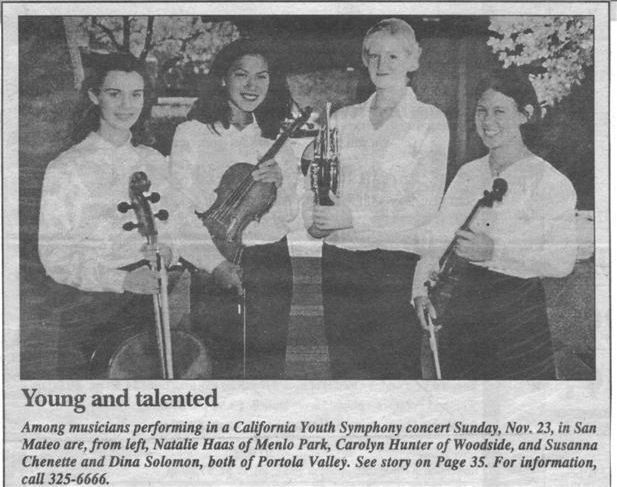
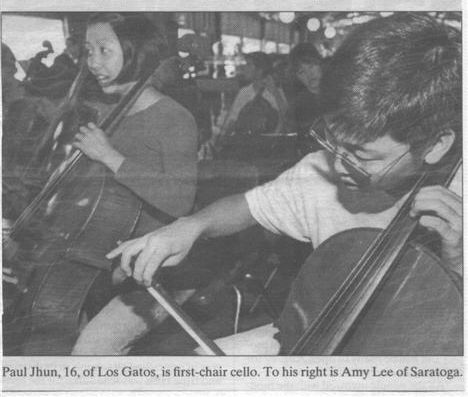
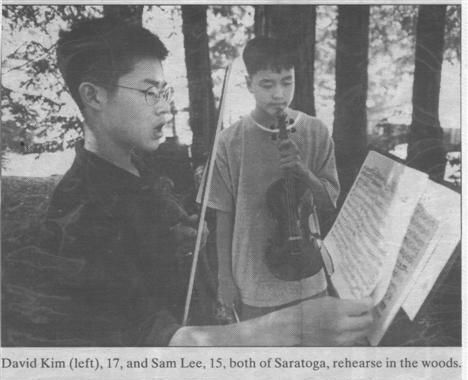
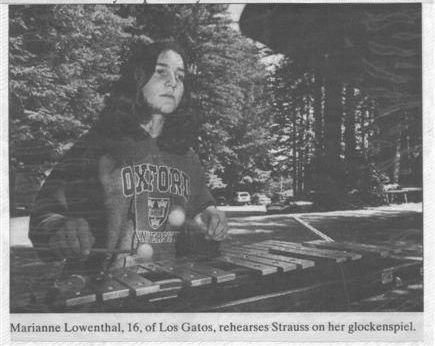
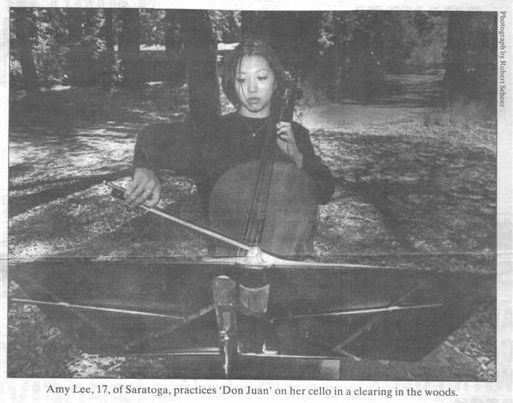
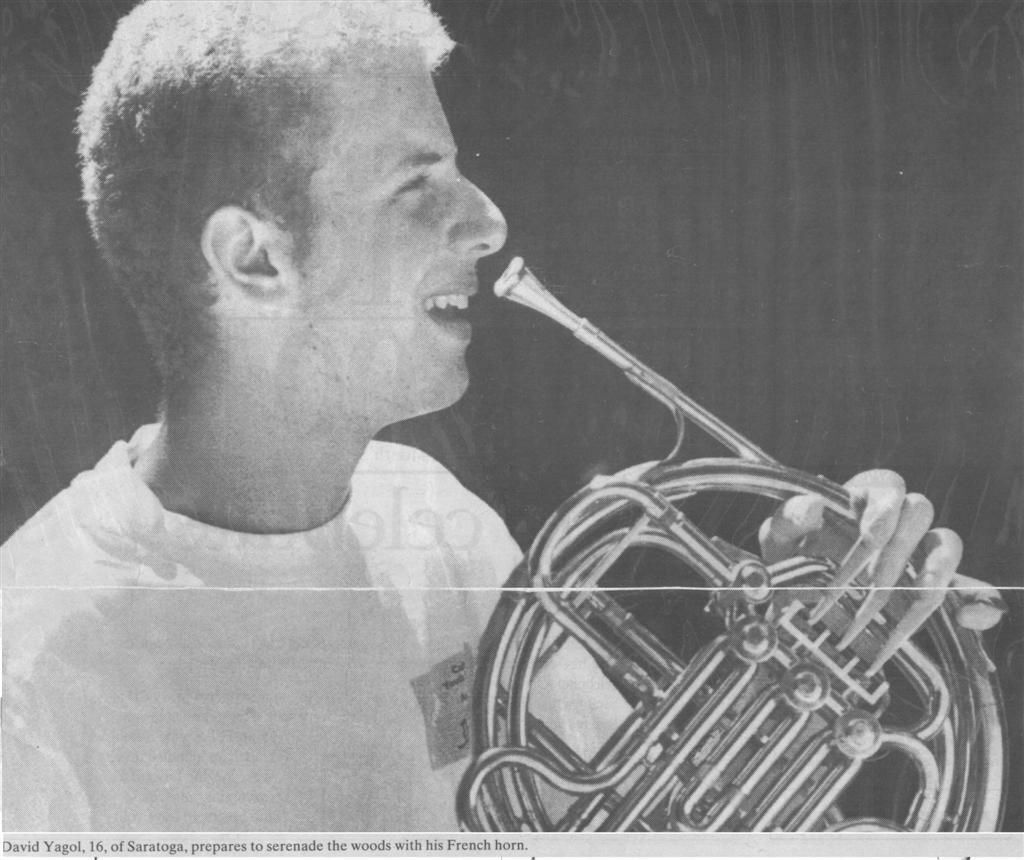
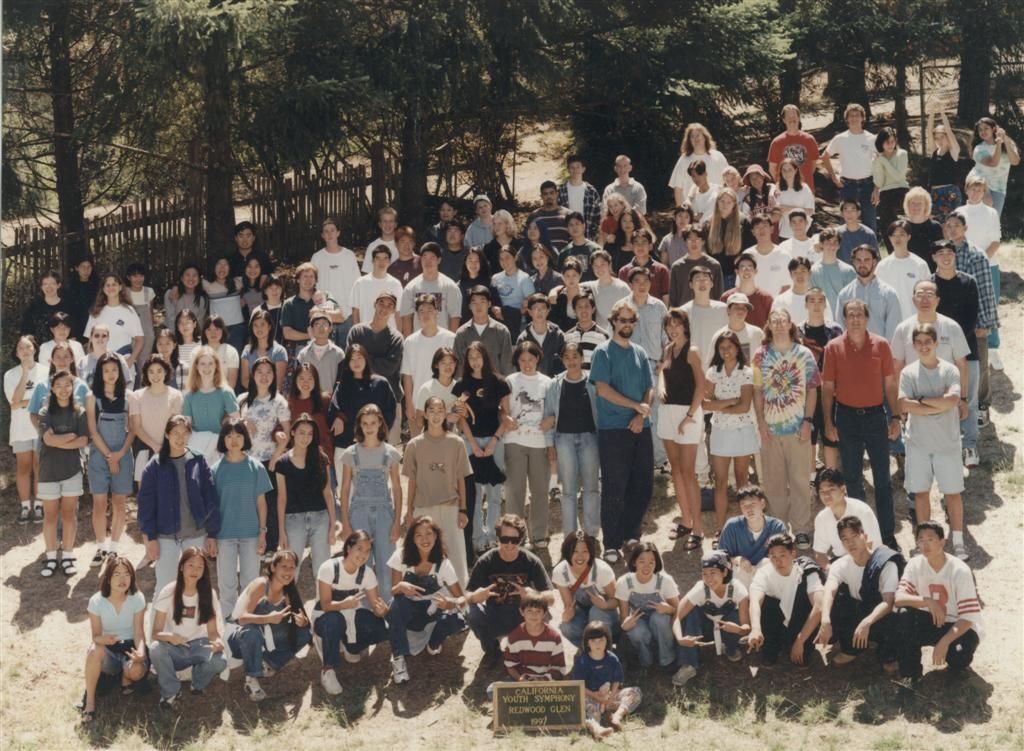
In August 1997, the California Youth Symphony continued its cherished annual tradition of heading to the majestic redwoods for an intensive week of music-making and community building. This summer retreat served as the official kickoff for the 1997-1998 season, providing a unique environment where high-level artistry met the serenity of the California wilderness. Away from the distractions of daily life, students immersed themselves in a rigorous schedule of sectionals, full orchestral rehearsals, and the highly anticipated "seating auditions," where members vied for their positions in the upcoming season’s roster.
The 1997 camp was defined by a sense of focused discipline and the sounds of late Romantic masterpieces echoing through the forest. Students were captured in local news features practicing demanding repertoire, such as Richard Strauss’s Don Juan, in shaded clearings and under the towering trees. The "Play Time" and "Camp Music" headlines of the time highlighted the dual nature of the retreat: while the musical expectations were professional and demanding, the camp also allowed students to forge lifelong friendships, creating the tight-knit ensemble sound for which CYS is renowned.
November 1997 Concert
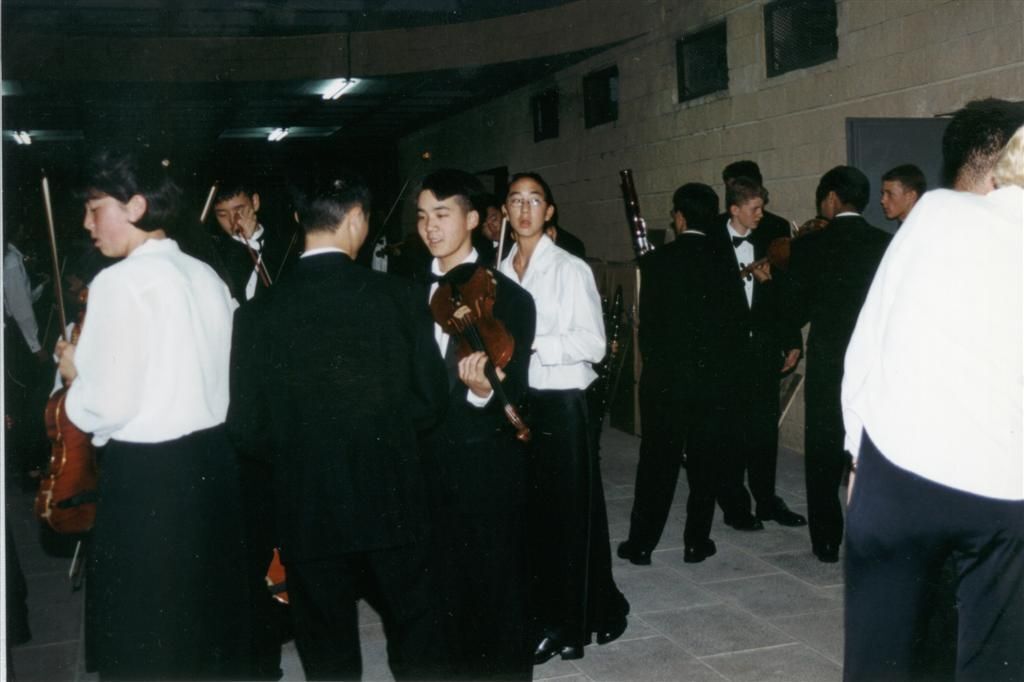
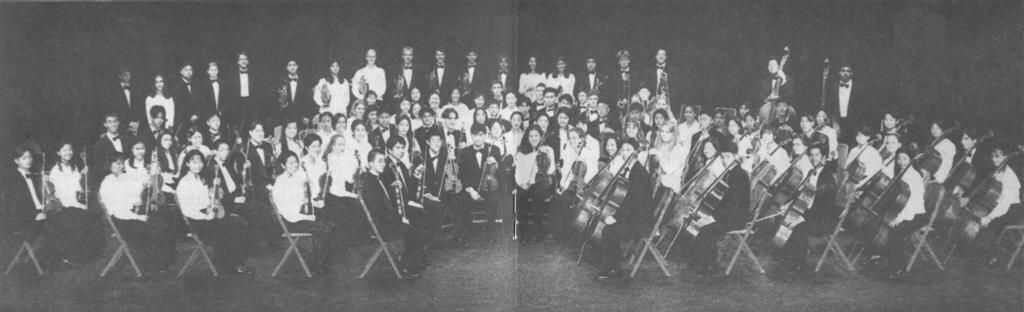
Following the intensive preparation at the 1997 Summer Music Camp in the redwoods, the California Youth Symphony officially launched its 46th Season in November 1997. Under the baton of Music Director Leo Eylar, the orchestra performed on November 2 at the Flint Center in Cupertino and on November 23 at the San Mateo Performing Arts Center.
The program was a testament to the orchestra's technical growth, featuring works that demanded both extreme virtuosity and atmospheric sensitivity.
Program Overview: From Heroic Bravado to Foggy Streets
The concert opened with the heroic and notoriously difficult symphonic poem by Richard Strauss, Don Juan, op. 20. Having spent a week "wrestling" with this masterpiece during the summer retreat, the 100+ member ensemble delivered a performance characterized by soaring horn calls and a lush string sound. Strauss’s complex orchestration is a "rite of passage" for high-level orchestras, and its inclusion as the season opener signaled the high artistic bar Eylar set for the year.
The first half continued with a shift toward Classical elegance: Mozart’s Piano Concerto No. 22 in Eb Major, K. 482. This concerto is celebrated for its prominent and sophisticated woodwind writing, which provided a perfect bridge between the dense textures of the Strauss opener and the symphonic finale.
The second half was dedicated entirely to Ralph Vaughan Williams’s A London Symphony. A sweeping, evocative four-movement work, the symphony took the audience on a musical journey through the sights and sounds of the British capital—from the Westminster chimes to the bustle of the city streets and the mist of the Thames. The performance highlighted the orchestra’s ability to handle large-scale, programmatic symphonies with professional poise.
Featured Soloist: Aaron Miller
The November series featured pianist Aaron Miller as the guest soloist for the Mozart concerto. Navigating the work’s expansive Allegro and its famously somber, variations-style second movement, Miller was praised for his clarity of touch and collaborative spirit with the CYS woodwind principals. His performance added a layer of refined lyricism to a program otherwise dominated by late-Romantic grandeur.
March 1998 Concert
The March 1998 concert series was a definitive highlight of the California Youth Symphony’s 46th Season, featuring a repertoire so demanding that local critics noted it was the type of program "many adult orchestras steer clear of." Under the masterful leadership of Leo Eylar, the orchestra performed on March 8 at the Flint Center and March 15 at the San Mateo Performing Arts Center, proving that the ensemble was truly, in the parlance of the time, "the bomb."
Program Overview: Wrestling with "Musical Demons"
The program was a masterclass in 20th-century complexity and emotional depth. The concerts opened with Leonard Bernstein’s Three Dance Episodes from "On the Town". Reviewers highlighted the orchestra’s ability to navigate Bernstein’s frequent meter changes and "ferocious demands" on instrumental technique, particularly praising the raucous, rhythmically precise renditions of "Times Square: 1944."
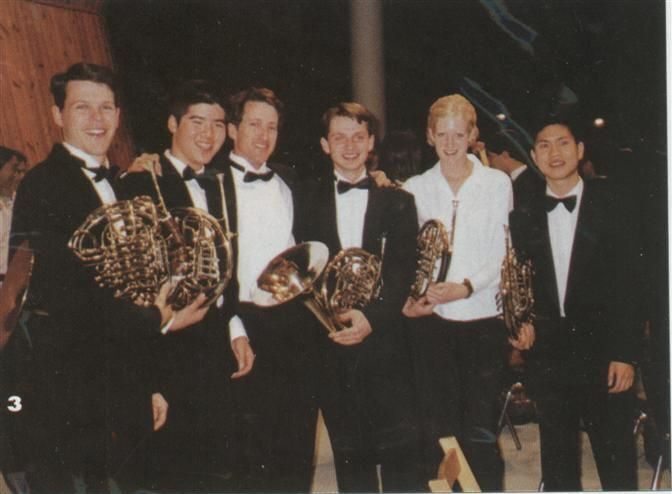
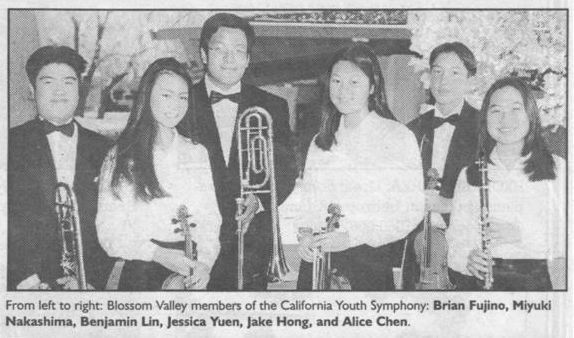
The second half of the program was dedicated to Dmitri Shostakovich’s Symphony No. 5, op. 47. This monumental work served as a vehicle for CYS to push beyond the perceived limitations of a youth ensemble. The finale was described as a "brass players' dream," with the section—led by Nelson Yuan, David Dufour, Ami White, Brian Fujino, and Joe Murphy—receiving special commendation for their "fortissimo" power and purity of tone.
Featured Soloist: Mimi Furuya (Cello)
The centerpiece of the first half was Edward Elgar’s Cello Concerto in E Minor, op. 85, featuring 19-year-old soloist Mimi Furuya. Furuya delivered a performance of "real gusto," mining the instrument for every ounce of resonance. She was particularly lauded for her "cantabile" (lyrical) playing in the concerto’s mournful slow sections, demonstrating a gift for musical storytelling that resonated deeply with the audience.
May 1998 Concert
The May 1998 concert series served as the grand finale to the California Youth Symphony’s 46th Season and acted as the vital springboard for the orchestra's highly anticipated tour of Spain. Under the direction of Maestro Leo Eylar, the ensemble performed on May 17 at the San Mateo Performing Arts Center and May 24 at the Flint Center, delivering a program defined by technical virtuosity and late-Romantic grandeur.
Program Overview: A Journey of Fire and Folklore
The May program was a sophisticated display of orchestral range, featuring two major concertos alongside pillars of the symphonic repertoire. The first half opened with Aram Khachaturian’s Concerto for Flute and Orchestra, a work known for its rhythmic drive and Armenian folk influences. This was followed by the shimmering, evocative textures of Stravinsky’s Suite from the "Firebird" (1919). The Firebird was considered the "crown jewel" of the season, requiring immense discipline from every section of the orchestra to navigate its avant-garde rhythms and raucous finale.
Following the intermission, the orchestra presented the first movement of Beethoven’s Violin Concerto in D major, op. 61, a masterpiece of lyrical grace. The season concluded with a powerful performance of Antonin Dvořák’s Symphony No. 7 in D minor. This symphony, often regarded as Dvořák's most ambitious and structurally perfect work, allowed the 108-member ensemble to showcase their "mature musicianship" and a "lushness of sound" that became a hallmark of the Eylar era.
Soloist Spotlight: The Scholar-Artists of 1998
In keeping with CYS tradition, the May finale highlighted the extraordinary talents of its leading members, both of whom represented the high academic and musical standards of the Class of 1998:
Clement Kiew (Flute): A senior at Lynbrook High School, Kiew served as the orchestra’s principal flutist. Originally from Penang, Malaysia, he was a multi-talented leader who balanced his musical career with his role as a public relations manager for the California Scholarship Federation and his own work as a flute teacher. His performance of the Khachaturian concerto was praised for its technical agility and lyrical depth. Following the season, he went on to attend Stanford University.
Miriam Pak (Violin): Performing the first movement of the Beethoven Violin Concerto, Pak demonstrated the poise and clarity of tone required for one of the most transparent works in the violin repertoire. As a senior leader in the violin section, her performance was a poignant highlight of the "Senior Soloist" tradition.
Conquering the Iberian Peninsula: The 1998 Spain Tour
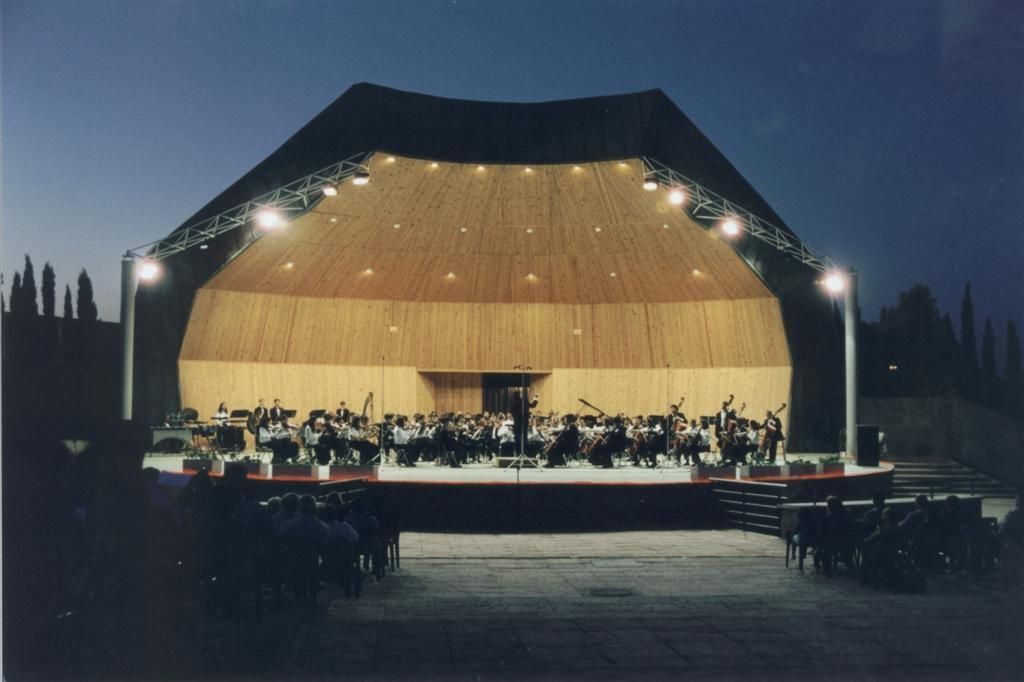
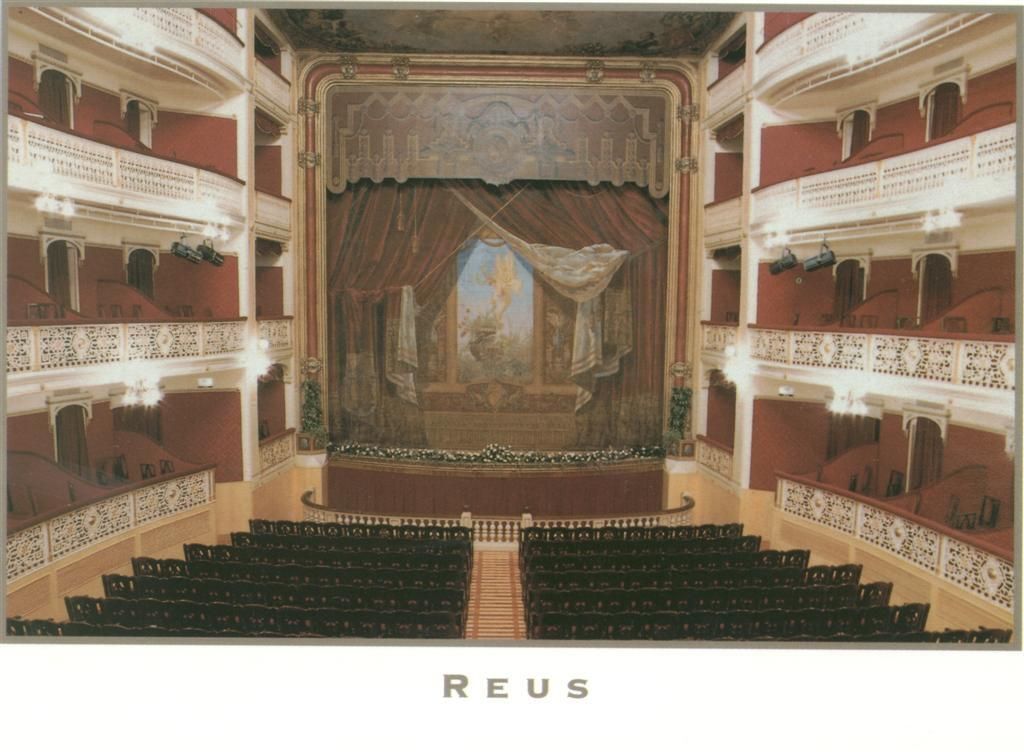
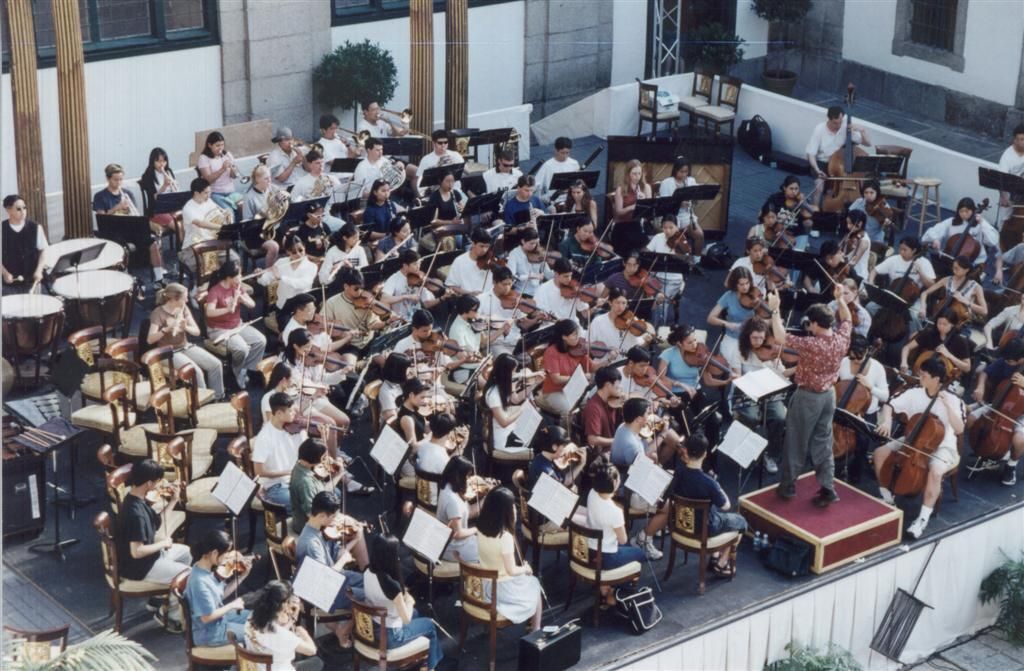
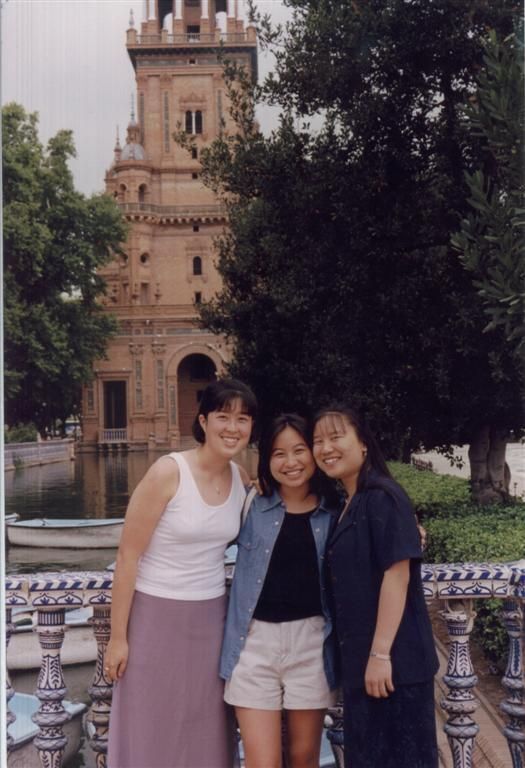
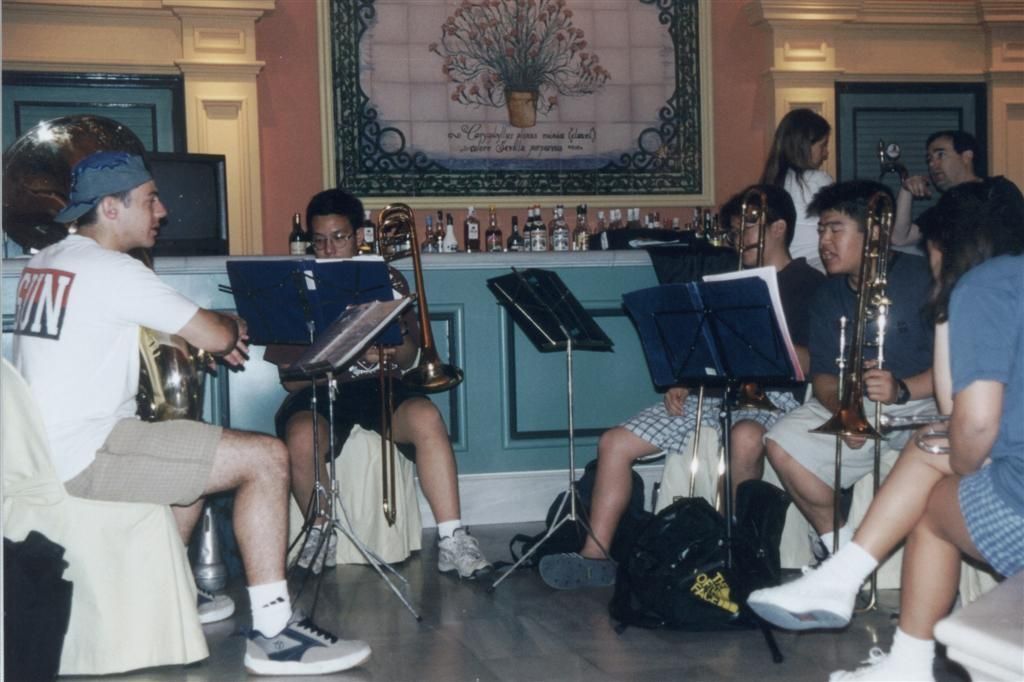
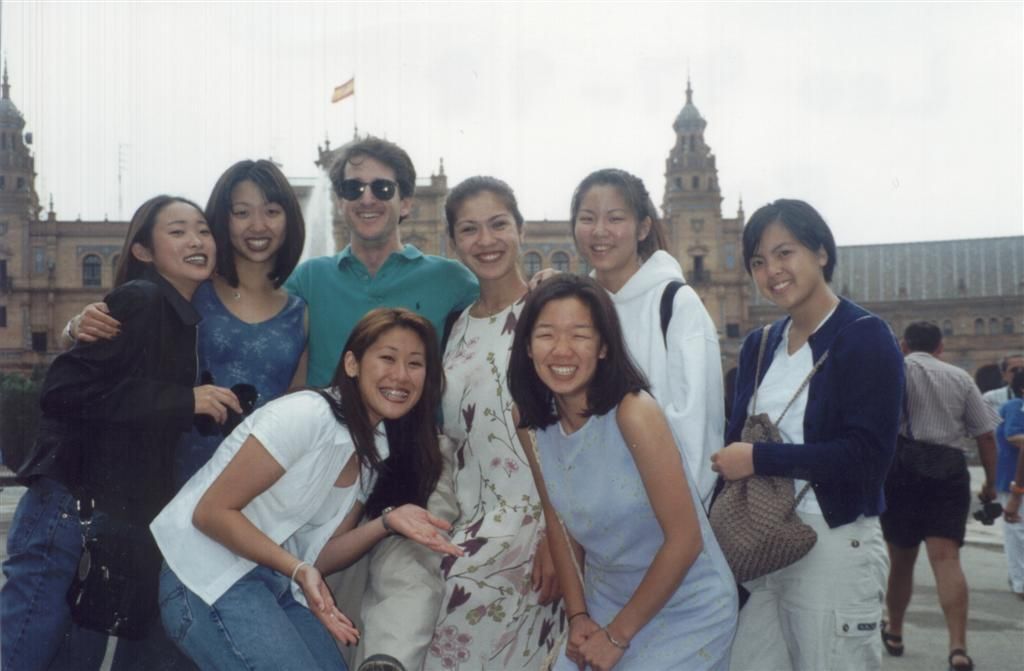
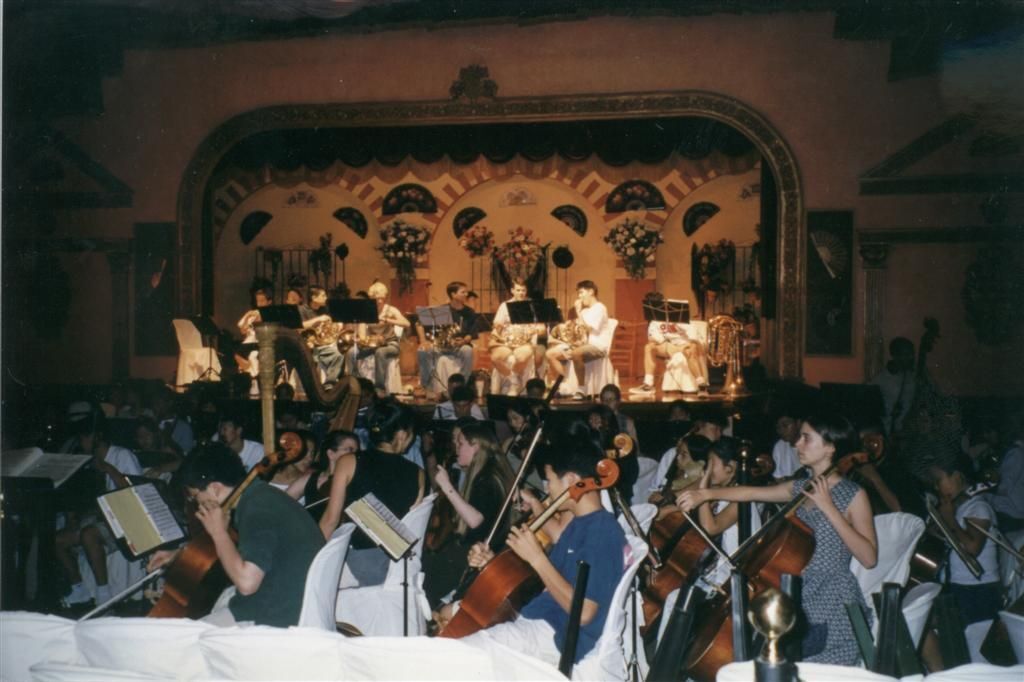
From June 23 to early July 1998, the California Youth Symphony, led by Music Director Leo Eylar, embarked on a breathtaking two-week concert tour across Spain. A formidable ensemble of 108 young musicians—representing 43 different Bay Area schools—traveled to cultural capitals including Barcelona, Madrid, Toledo, and Granada. This tour served as a powerful showcase of the orchestra’s professional-grade maturity and its role as a premier cultural ambassador for the United States.
A Royal Stage: The Majesty of El Escorial
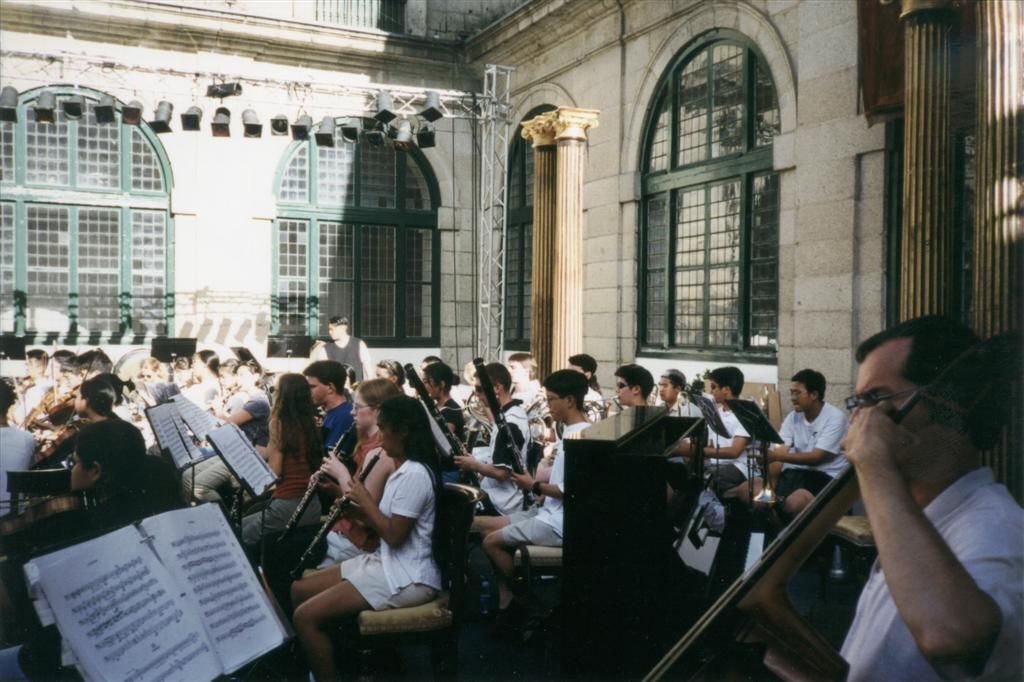
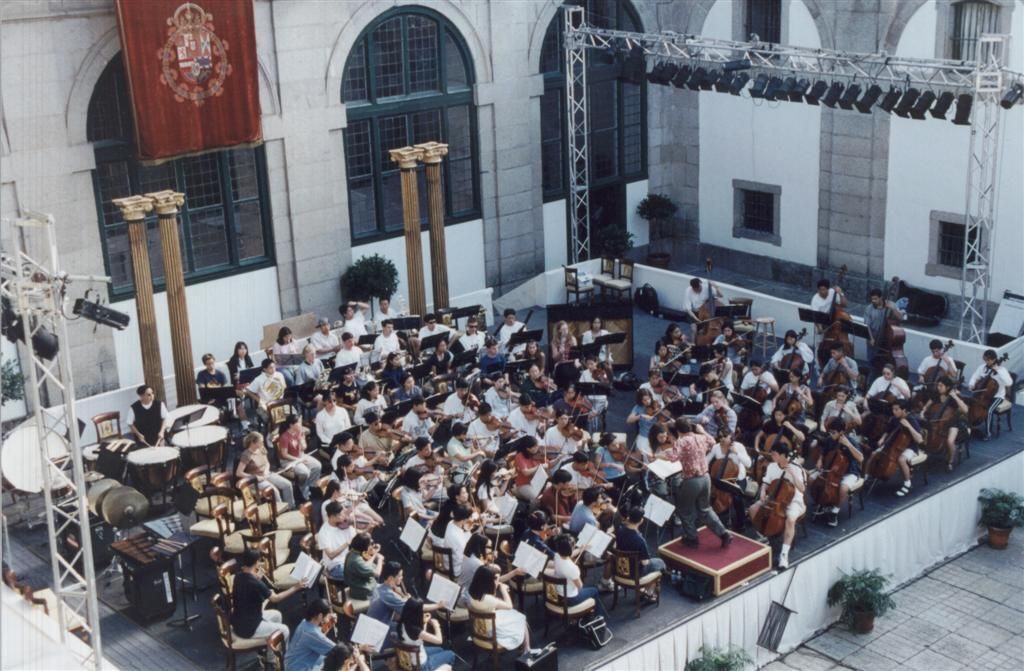
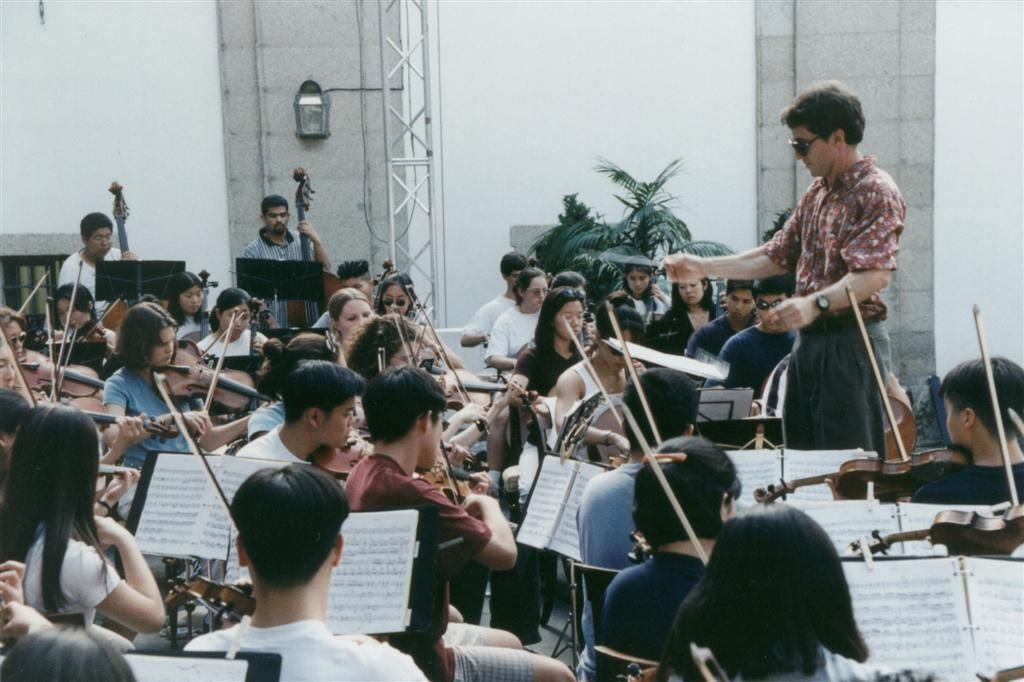
The undisputed pinnacle of the tour was the performance at the Royal Monastery and Palace of El Escorial outside Madrid on July 3. Performing in this historic Bourbon palace, a UNESCO World Heritage site and one of the most prestigious venues in the classical world, was a rare honor. CYS was among a select few youth ensembles ever invited to grace its halls. The acoustics and the historical weight of the venue pushed the musicians to deliver a performance that reviewers described as nothing short of transformative.
The Repertoire: A Tribute to the Host Nation
Maestro Eylar curated a rigorous program that challenged the technical limits of the orchestra while honoring Spanish culture:
Richard Strauss: Don Juan — A virtuosic tour de force for every section.
Igor Stravinsky: The Firebird Suite — Regarded by critics as the "crown jewel" of the season.
Antonin Dvořák: Symphony No. 7.
Manuel de Falla: Three Dances from The Three-Cornered Hat — Selected as a heartfelt tribute to the Spanish hosts.
Leonard Bernstein: Dance Episodes from On the Town.
Soloist Spotlight: Kenneth Hsu and "An Orpheus Legend"
The tour’s primary soloist was the 17-year-old Concertmaster Kenneth Hsu. He performed the world premiere of a work commissioned for the tour, "An Orpheus Legend for Violin and Orchestra," composed by Leo Eylar himself.
The San Francisco Chronicle and San Jose Mercury News lauded Hsu as a "magnetic" talent with a "rich and expansive" tone. Critics praised his ability to navigate the 22-minute masterpiece with a "visionary view" and "artistic maturity far beyond his years," particularly in the percussive "Maenads' Dance" and the long, soulful reveries of the opening.
Legacy on Record: The Spain Tour CD
The magic of this journey was immortalized in a rare, private CD recording titled "Spain Tour 1998." This professional-grade archive allowed the community to relive the tour's highlights. Critics noted that the recording stood as a vivid testament to the orchestra's caliber, specifically praising the "exquisitely coordinated" wind and brass sections that "powered through" the dense scores of Strauss and Stravinsky.
Cultural Exchange and Community Heart
Beyond the concert halls, the tour was a journey of personal growth. In Madrid, CYS members shared a traditional tapas dinner with their peers from the Orquesta Juvenil de Madrid, breaking down language barriers through their shared love of music.
This life-changing experience was made possible by the unwavering dedication of the CYS community. While tuition covered part of the costs, the tour relied heavily on institutional support from the Packard Foundation and creative grassroots fundraising—including Peninsula Auxiliary fashion shows at the Kohl Mansion, T-shirt sales, and grocery scrip programs—ensuring that this talented cohort of musicians could represent the Bay Area on the world stage.